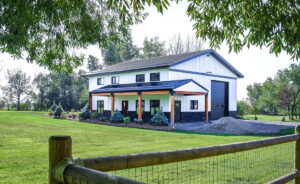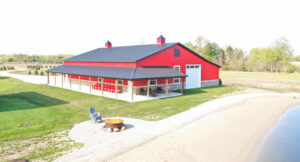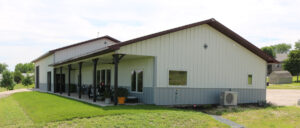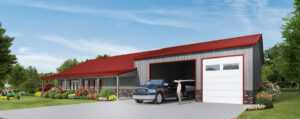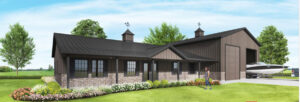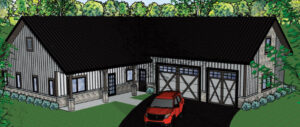
Windows play a big role in the comfort, beauty, and performance of your barndominium. They determine how much natural light you enjoy, how well your home is protected from the elements, and how it looks from the outside. Because windows combine both aesthetic and structural elements, window selection involves a bit more thought than simply picking a style that looks nice.
Form Meets Function
Before you choose a window style, think about the function of each space. Do you want windows that open for ventilation, or are they mainly for light and views? Barndominiums often feature large, open spaces with high ceilings, and those areas benefit from bigger windows to let in light and air. Bedrooms, on the other hand, may need operable windows for ventilation and emergency egress.
Larger windows require stronger framing materials, so structure and design go hand in hand. Understanding what’s needed for strength, code compliance, and aesthetics will help ensure you get the right window for each space.
Material Matters
When it comes to window materials, vinyl is one of the most common choices for barndominiums. It’s affordable, energy-efficient, and low-maintenance. Vinyl doesn’t conduct heat or cold easily, so it helps maintain indoor comfort year-round. It also won’t rot, corrode, or need repainting.
Fiberglass and composite windows are another strong performer. They expand and contract at nearly the same rate as glass, reducing stress on seals. They can also be painted and are known for durability, though they come at a higher cost.
Wood and wood-clad windows offer a classic, residential feel, but they require regular maintenance to prevent moisture damage. For most barndo owners, the balance of performance, cost, and low upkeep makes vinyl or fiberglass a more popular choice.
Aluminum is particularly durable and often used for large openings. If thermally broken (featuring insulation between the inside and outside aluminum), and combined with other energy efficient features, these windows can make sleek additions to a barndominium.
Energy Efficiency and Comfort
Energy performance has come a long way in recent years, and barndominiums can benefit from the same window technology used in high-efficiency homes.
Look for NFRC-certified windows, which are tested for air infiltration, UV protection, and energy efficiency. The U-value tells you how well a window resists heat transfer — the lower the number, the better. In most climates, a U-value of 0.30 or below is a good target for energy efficiency.
Low-E glass is another must-have. It reflects heat back to its source, keeping your barndo cooler in summer and warmer in winter. Argon-filled double-pane glass further improves insulation by reducing heat transfer between the panes.
If your barndominium is in a colder region or you’re aiming for top-tier performance, fiberglass or higher-end vinyl frames paired with double- or triple-pane low-E glass can significantly cut heating and cooling costs while reducing condensation.
Design and Curb Appeal
Windows are a major design element, especially in barndominiums where metal siding and post-frame construction can look utilitarian without some softer residential touches.
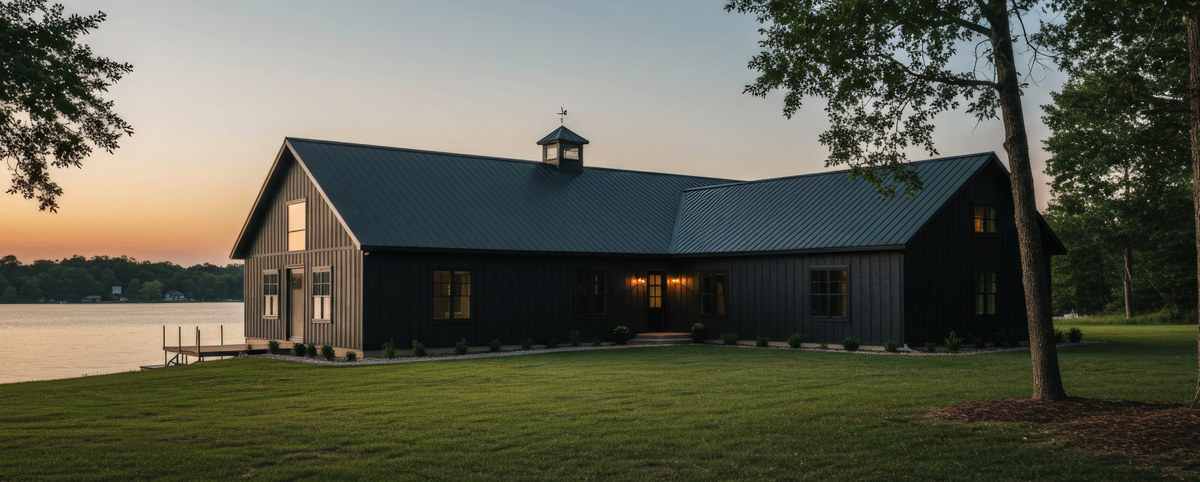
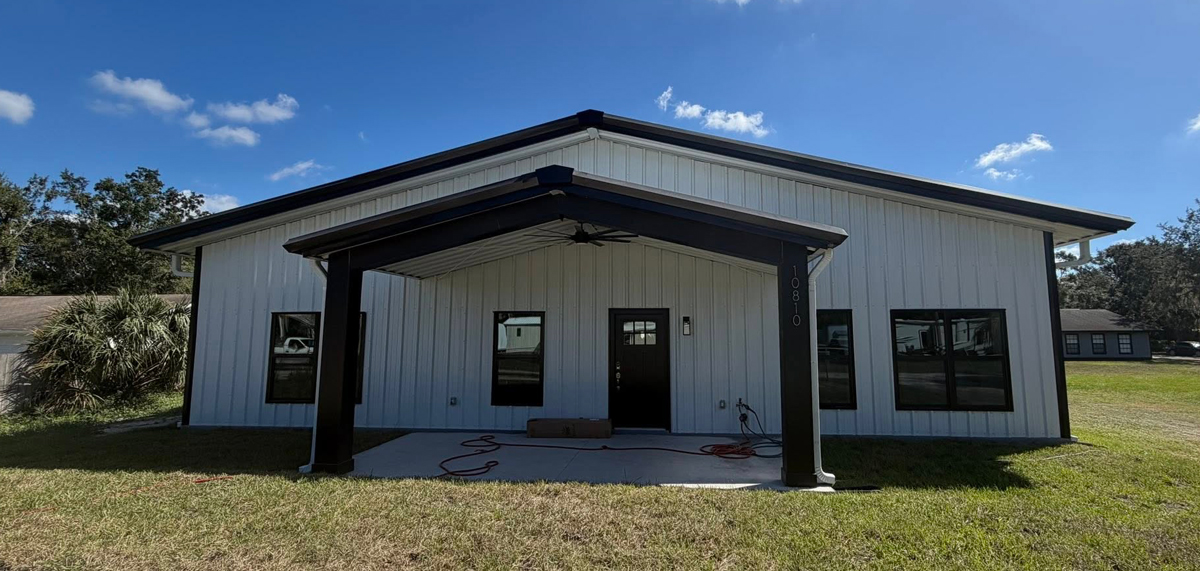
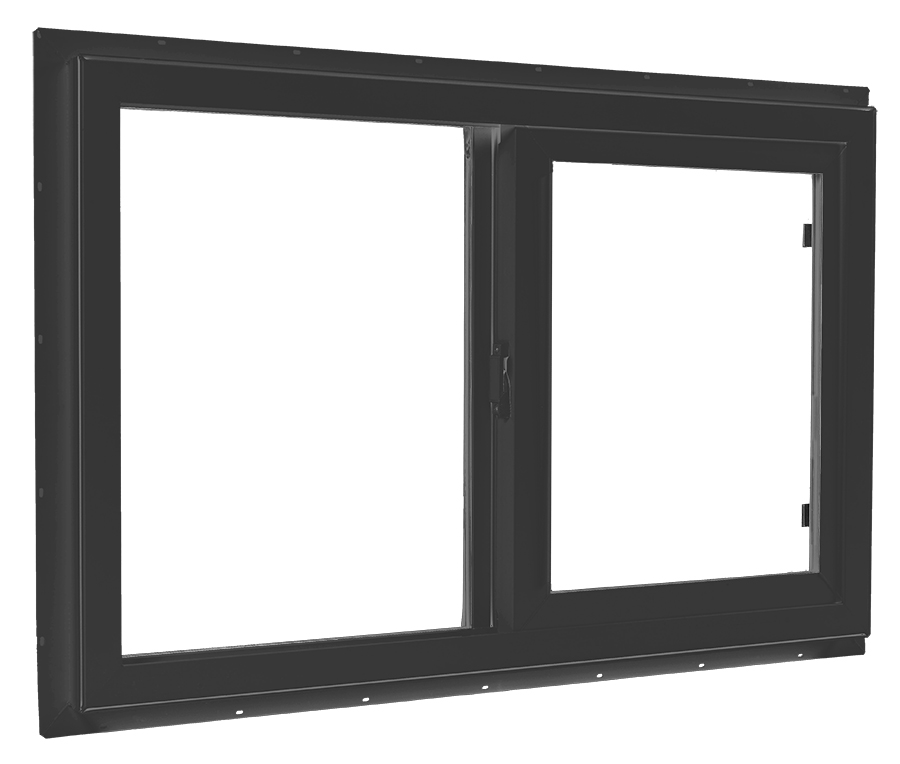
Most manufacturers still sell a majority of white windows, but black-framed windows are increasingly popular, particularly when paired with dark siding or metal panels. Many vinyl windows can now be painted or finished in a variety of colors to match your home’s exterior.
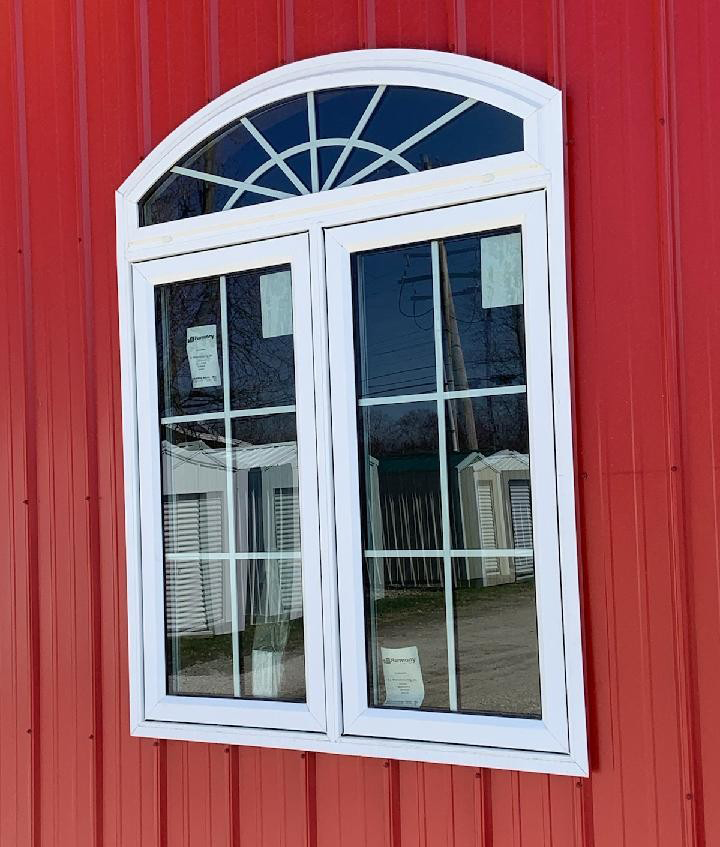
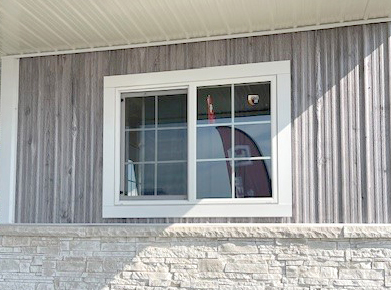
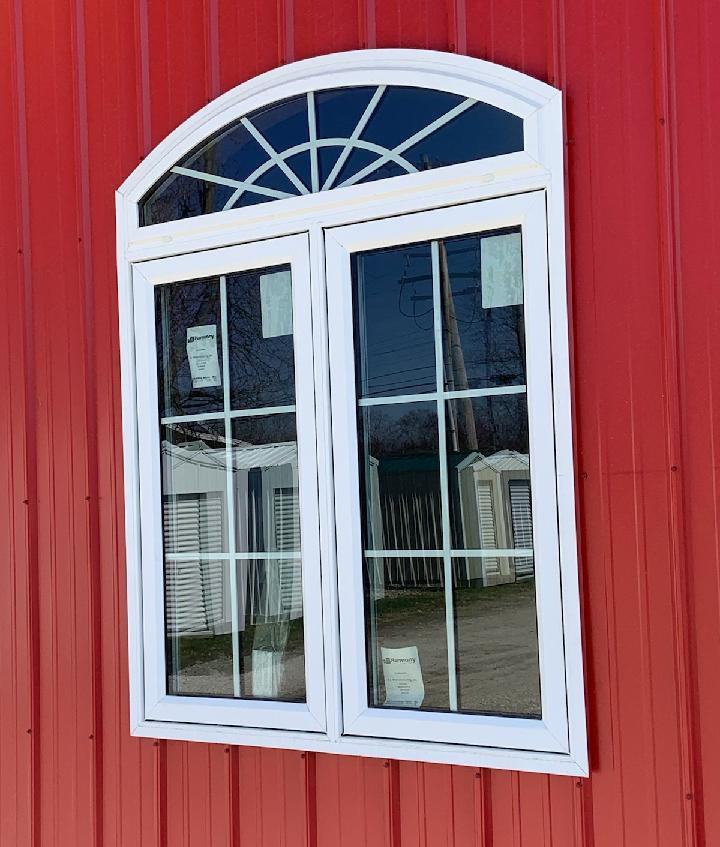
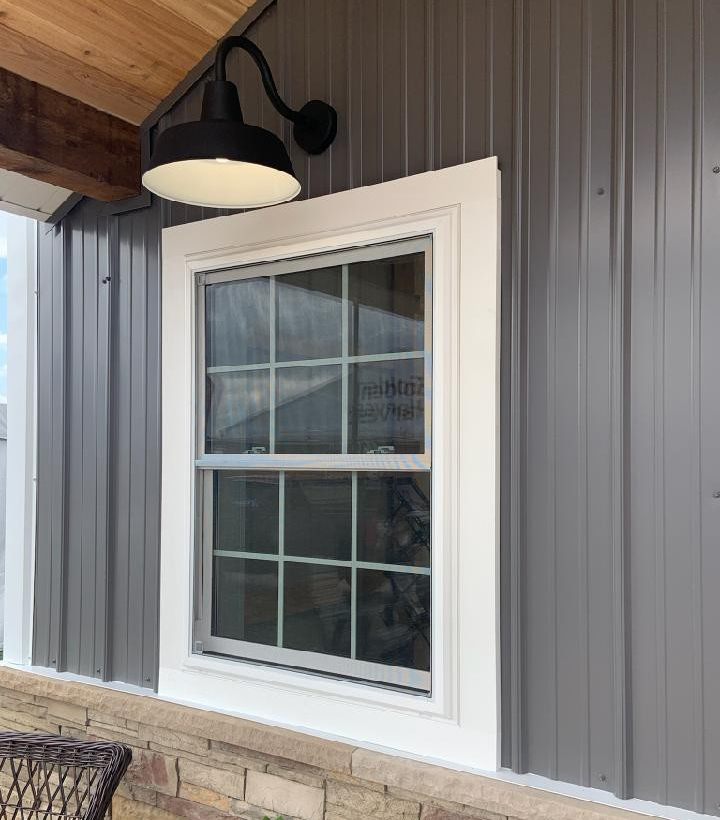
Consider a mix of window types to balance style and function — for example, fixed picture windows to capture views and double-hung or sliders for ventilation. Don’t be afraid to include larger windows or decorative shapes like arches or half-moons in your main living areas. These features give a barndominium a more residential, custom-built look.
Final Thoughts
Windows for barndominiums need to do more than just fill openings in the wall — they have to balance structural integrity, comfort, and style. While barns and shops might rely on inexpensive single-pane windows, a barndominium deserves windows that perform as well as those in any custom home.
By choosing energy-efficient, durable materials and ensuring a professional installation, you’ll enjoy the light, comfort, and curb appeal your barndo deserves for many years to come.
Installation and Longevity for DIYers
If you plan to handle window installation yourself — or simply want to understand what your builder should be doing — there are a few key things to know. A great window can still perform poorly if it’s installed incorrectly.
Square, Plumb, and Level — Every Time
Your opening must be square and level before setting the window. Even being off by 1/16 inch can cause operation or sealing issues later. Use a framing square and check diagonals before proceeding.
Shimming for Support (and Movement)
Vinyl and fiberglass windows expand and contract with temperature changes. Shim the sides and sill to support the weight evenly, but don’t wedge the window tightly — it should “float” just enough to move naturally. Sliders usually need shims at three points along the sill; double-hungs at the corners.
Don’t Over-Tighten Fasteners
This is one of the most common DIY mistakes. Screws should be snug but not torqued down. Over-tightening can distort the frame, causing the sash to stick or seals to break. Use screws in pre-slotted holes to allow for movement.
Choose Compatible Fasteners and Flashing
If your barndominium has metal framing or siding, use corrosion-resistant fasteners (stainless steel or coated). Avoid mixing dissimilar metals that can corrode when in contact. For flashing, a flexible butyl or high-quality flashing tape works well with both metal and wood substrates.
Don’t Let Spray Foam Ruin the Fit
Expanding spray foam can bow a window frame inward, especially with vinyl. Use low-expansion foam sparingly around the perimeter, or backer rod and sealant instead. Always allow for drainage and airflow to prevent trapped moisture.
Keep the Weep Holes Clear
Those tiny slots along the bottom of a vinyl window frame aren’t defects—they’re drainage channels. If they get blocked by siding, caulk, or foam, condensation and leaks can develop over time.
Temperature Awareness
Avoid installing vinyl windows in extremely cold weather; the material becomes brittle and can crack under pressure. If you must install in winter, keep windows at room temperature until just before installation.
Don’t Skip Final Adjustments
Once the window is set and insulated, operate it several times before trimming out. Re-check for square and adjust the shims if needed. The window should open and close smoothly, and the reveal (the visible frame gap) should be even all around.