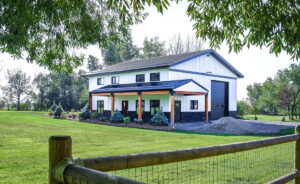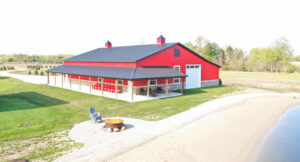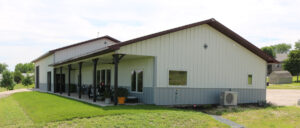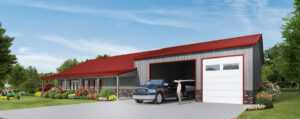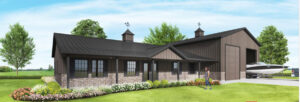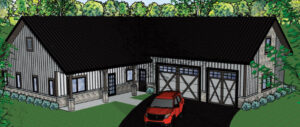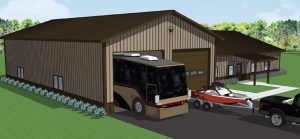

Builders and future barndo owners alike often wonder if barndominiums can be financed like traditional homes, in part because many have heard stories about difficulties getting lending for these projects in the past. As more and more people build barndos, construction loans and permanent financing are increasingly available for barndominiums across much of the country. However, the process and requirements can differ from those for a conventional stick-built home.
Below, we’ll walk through what to expect when seeking financing for your barndominium, what can be included in your loan, and how to prepare before contacting a lender.
What a Barndominium Loan Can Include
When discussing financing with a lender, it’s important to understand exactly what expenses can be rolled into a construction loan. Some lenders will allow the loan to cover not only the barndominium build itself but also the purchase of the land and essential site improvements.
That may include installing driveways, septic systems, or water wells; bringing in electrical service; and even adding fencing, ponds, or solar panels. The goal is typically to include everything needed to make the property complete and livable.
It’s always smart to ask about any limitations upfront — each lender has its own rules about what can or cannot be financed under the construction loan.
Permissions and Requirements
When planning a barndo build, borrowers often ask about three common permissions:
- Can I act as my own general contractor?
Some lenders will allow this, but it usually depends on your experience and ability to manage a build effectively. Expect to provide documentation or background to show you have the skills to oversee the project. - Can I live on-site during construction?
A few lenders may allow owners to live in an RV or temporary structure during construction, as long as local regulations permit it. - Can I do some of the work myself?
Most lenders require professional contractors for major phases of construction, at least through the drywall stage. However, some may let owners handle finishing touches such as painting, flooring, trim work, or installing cabinets and fixtures once the home is structurally complete.
Since these permissions vary widely, it’s important to verify them early in your planning.
Eligibility Requirements
Construction loans are considered higher risk than traditional home loans since the home doesn’t yet exist. When risk is higher, lenders look for other ways to ensure their investment in the project is secure which means eligibility requirements are often stricter. Most lenders look at four things to determine eligibility:
- Cash Reserves and Bank Balances
You’ll need enough funds for a down payment and closing costs, plus some additional cushion in checking, savings, or retirement accounts. Cash really is king when it comes to construction financing. - Down Payment
Typical down payments for barndominium construction loans start around 15% but can vary. Some lenders may accept non-cash sources such as land equity or equity from an existing home if it will be sold before the construction loan is converted to a permanent loan. - Credit Score
Many lenders look for a credit score of around 700 or higher, though requirements differ by institution. - Debt-to-Income Ratio
The DTI requirement is often around 43%, which means your total monthly debt payments shouldn’t exceed 43% of your gross monthly income. Some lenders may exclude your current mortgage if you plan to sell your home before closing on the new one.
Common Components of a Construction Loan
A barndominium loan typically has two parts: the construction phase and the permanent phase.
During construction, you’ll usually make interest-only payments based on how much of the loan has been drawn for completed work. This phase often lasts 9–12 months, though extensions may be available for a small fee if needed.
When construction is complete, the loan converts to a permanent mortgage that includes both principal and interest, along with escrow for taxes and insurance. Terms and rates vary depending on the lender, loan type, and your financial profile.
Building Requirements and Restrictions
Lenders want to ensure your barndominium will be marketable if they ever have to resell it, so there are usually minimum standards regarding design and value.
A common rule is that at least 60% of the total square footage under one roof should be finished living space. Finished basements and second stories usually count toward this total, but porches, garages, and detached structures do not.
Some lenders also require the value of the finished home to be a certain percentage of the total property value — for instance, building a $300,000 home on $600,000 worth of land may not meet lending criteria because it appears more like a land loan than a residential build.
Information the Lender Will Need
Before you call a lender, gather basic details about both your land and your planned build.
For land, have ready:
- The number of acres
- When it was acquired
- Purchase price or current market value
- Any existing loan balance
For your barndominium, it helps to have:
- Estimated square footage for living, shop/garage, and porch areas
- A rough idea of total build cost (including improvements such as driveways or wells)
Even if your final plans change, having these numbers available helps lenders give you accurate early feedback.
The Bottom Line
Barndominium financing is not only possible – it’s becoming increasingly common. The key is to work with a lender experienced in barndominium construction who understands the unique combination of home and shop space.
With the right preparation, a clear understanding of the requirements, and the ability to meet them, you can likely secure a loan with terms similar to those for a traditional home and move forward confidently toward your dream barndo.