One of the first questions people ask when planning a barndominium is, “How big should it be?” It sounds simple, but the answer is more complicated than just choosing a number that feels right. Build too small and you may find yourself wishing for more storage, larger bedrooms, or additional living space. Build too large and you could end up paying for square footage that rarely gets used.
Determining the right size for a barndominium is less about following trends and more about understanding how you and your family actually live. By carefully evaluating your current lifestyle, future plans, and storage needs, you can arrive at a floor plan that fits both your budget and your daily routine.
How Much Space Do You Currently Use?
A good starting point is to examine the home you live in today. Walk through each room and think about how often you use it. Are there spaces that sit empty most of the time? Is there a room that constantly feels crowded? Many homeowners discover that their current home already provides valuable clues about what they need and what they can live without.
Instead of focusing on the total square footage of your current home, pay attention to how the space functions. A 2,000-square-foot house with an inefficient layout can feel cramped, while a well-designed 1,800-square-foot home may feel surprisingly spacious. Barndominiums often benefit from open floor plans and fewer interior walls, which can make a home feel larger than its actual dimensions suggest.
Family and Home Use
Family size naturally plays a major role in determining square footage requirements. A retired couple may be perfectly comfortable in a small barndominium, while a family with several children may need considerably more space. However, it is important to think beyond your current household.
Consider what your life may look like five, ten, or even twenty years from now. Are you planning to have children? Will aging parents eventually move in? Do you expect adult children and grandchildren to visit frequently? Building for realistic future needs can help prevent expensive additions or renovations later.
At the same time, avoid designing your home around events that occur only occasionally. Some homeowners are tempted to add hundreds of square feet for holiday gatherings that happen a few times each year. In many cases, flexible living areas, covered patios, or outdoor entertaining spaces can accommodate guests without significantly increasing the size of the home itself.
Barndos and Storage
One area where many people underestimate their needs is storage. Traditional homes often include basements, attics, or multiple closets. Many barndominiums do not. As a result, homeowners should carefully inventory their belongings before finalizing a floor plan.
Think about seasonal decorations, sporting equipment, tools, hobbies, household supplies, and keepsakes. If you enjoy woodworking, crafting, hunting, or other equipment-intensive hobbies, those activities should be factored into your plans. Dedicated storage space can prevent living areas from becoming cluttered and help your home remain functional over the long term.
What Feels Right?
Lifestyle preferences can also have a significant impact on square footage requirements. Some people spend most of their time in a large, open living area where cooking, dining, and entertaining blend together. Others value private spaces such as home offices, hobby rooms, libraries, or fitness areas.
Space Use
The rise of remote work has added another consideration. A spare bedroom may seem sufficient for a home office at first, but people who work from home full time often appreciate a dedicated workspace that provides privacy and minimizes distractions. If two people work remotely, separate office areas may become even more important.
Homeowners should also think carefully about bedroom count. Many people automatically assume they need a guest bedroom for every potential visitor. In reality, guests may stay only a few nights each year. Others prefer to include flexible rooms that can serve multiple purposes. A home office, hobby room, or den can often double as guest accommodations when needed.
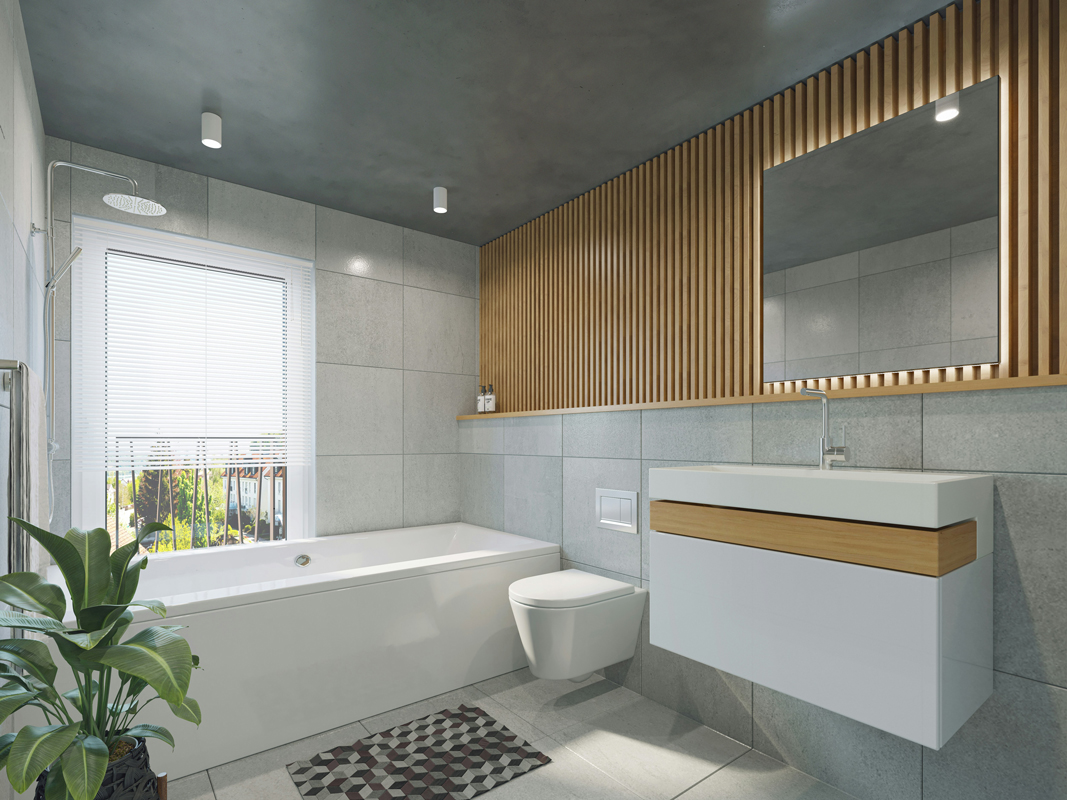
When planning bathrooms, functionality frequently matters more than overall square footage. A well-designed home with an adequate number of bathrooms may feel much more comfortable than a larger home where family members constantly compete for access during busy mornings.
Another factor that is easy to overlook is furniture. Before finalizing room sizes, consider the furniture you already own or hope to purchase. Measure large pieces and visualize how they will fit within each room. A living room may look spacious on paper but feel crowded once sofas, chairs, tables, and entertainment equipment are added.
Many homeowners also forget to account for circulation space. Hallways, entryways, and pathways between furniture all require room. A floor plan should allow people to move comfortably throughout the home without feeling cramped.
Affordability
Budget is another critical consideration. Larger homes generally require more materials, more labor, larger HVAC systems, and higher utility costs. While barndominiums can often provide cost-effective square footage compared to some traditional construction methods, every additional square foot still carries both initial and long-term expenses.
For this reason, homeowners should focus on maximizing usable space rather than simply increasing size. A thoughtfully designed floor plan often delivers more value than a larger home filled with underutilized rooms.
One exercise many homeowners find helpful is to create a list of must-haves, nice-to-haves, and luxury items. Must-haves might include three bedrooms, a home office, and a mudroom. Nice-to-haves could include a larger pantry or hobby room. Luxury items might include a home theater or dedicated game room. If budget constraints arise, having priorities established early makes decision-making easier.
Research Methods
Visiting model homes, touring completed barndominiums, and studying floor plans can also provide valuable perspective. Rooms often feel very different in person than they appear on paper. A bedroom that seems large enough in a drawing may feel smaller when you actually stand inside a similar space.
The Perfect Barndo Size
Ultimately, there is no universal formula for determining the perfect barndominium size. The right answer depends on your family, lifestyle, hobbies, budget, and long-term goals. The key is to think carefully about how you live today while planning realistically for the future. A barndominium should support your daily life without burdening you with unnecessary expense or maintenance. By focusing on function rather than simply chasing a larger number, you can create a home that feels comfortable, efficient, and well-suited to your needs for years to come.