Choosing the right roof for your barndominium isn’t just about the aesthetic — it’s a decision that influences durability, insurance rates, energy efficiency, maintenance, and long-term value. With so many options on the market, each with its own strengths and considerations, it’s important to understand what sets them apart before making your choice.
Below, we explore five popular roofing types commonly used in barndominium construction, offering insights into their performance, maintenance, and design impact. While some barndominium owners have opted for traditional shingles, wood, or other roofing, we have focused here on some common types of roofing specifically designed for longevity combined with low maintenance.
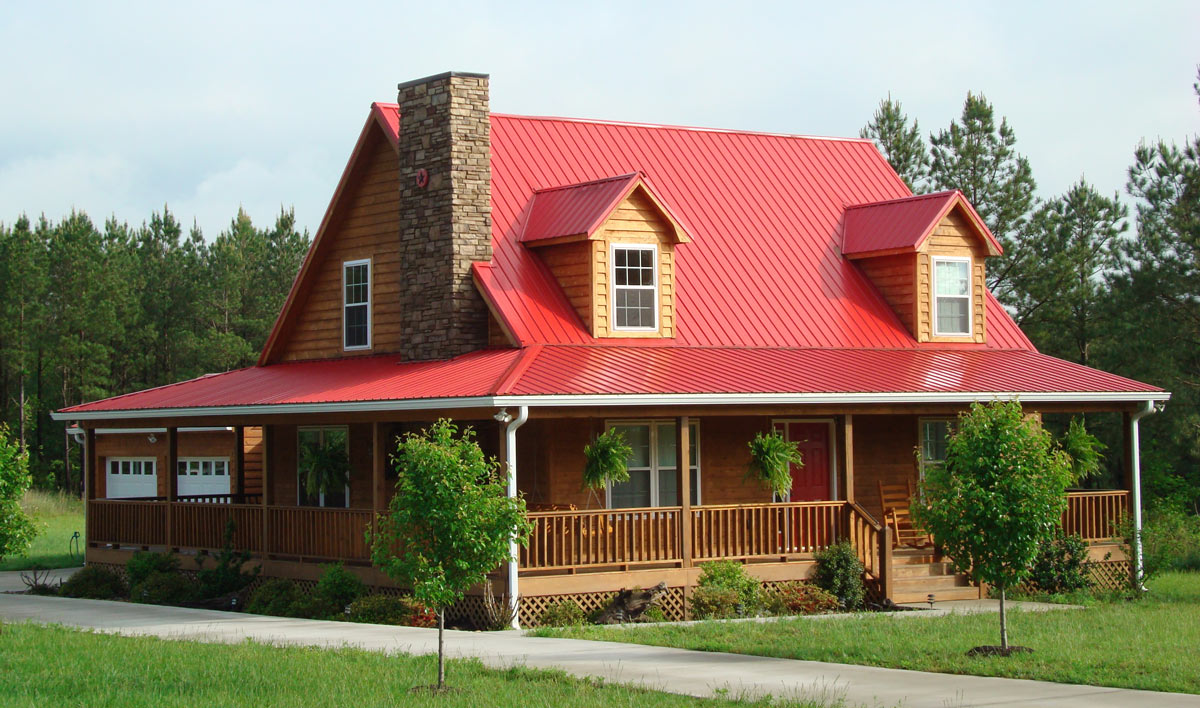
Through-Fastened Metal Roofing
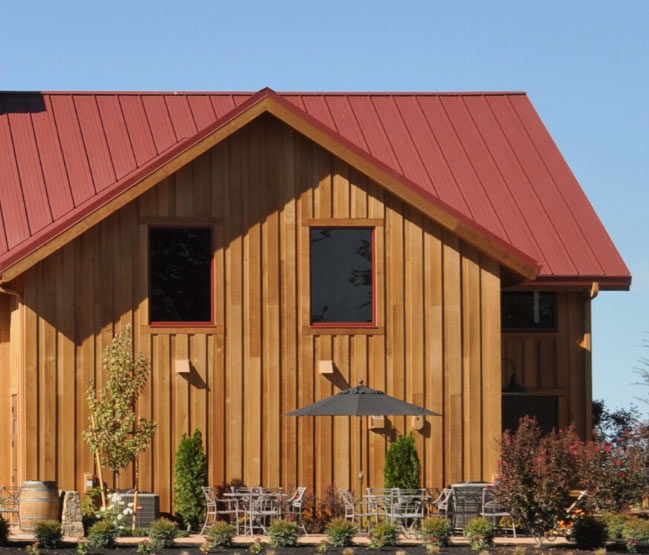
Also known as exposed fastener systems, this roofing type is a popular option for budget-conscious builds — particularly those with large roof spans.
Scott Steele, Digital Marketing Manager for Best Buy Metals believes that a through fastened metal roofing system is a smart investment because it strikes an excellent balance between affordability and performance. It’s quick to install, structurally strong, and available in a wide array of styles and colors.
The trade-off comes in the form of possible maintenance regarding the fasteners; due to time and weather conditions these should be checked to see if they require tightening after 10 years. Choosing a weather resistant fastener that has a neoprene rubber seal along with performing routine maintenance, such as checking sealant around penetrations, is important to maintain peak performance and prevent leaks down the road. Further choosing metal with the right coating can improve longevity. In most cases, Steele recommends SMP, with its 50 year warranty on paint/finish, or for heavier 24 gauge materials you’ll likely find the premium Kynar®(PVDF) coating will be used to coat the steel. Another popular choice would be Galvalume panels like Tuff-Rib with 45% zinc and 55% aluminum composition and a clear acrylic overcoat.
Properly installed systems can deliver decades of service making it a compelling choice when balancing upfront costs with long-term performance.
Metal Shingles
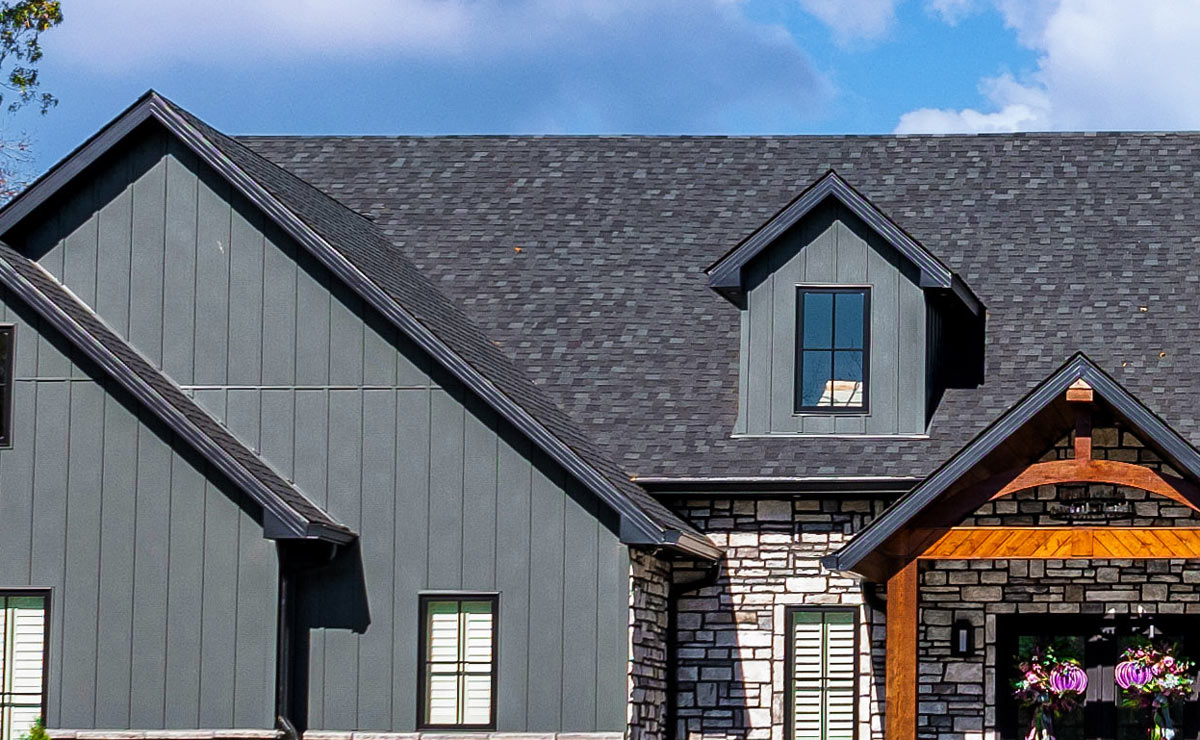
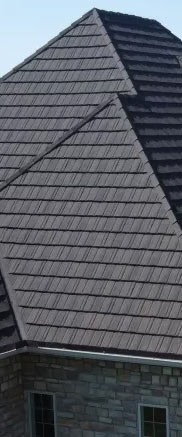
Metal shingles are a combination of all the benefits of metal roofing combined with an aesthetic that can more closely match what is going on in your neighborhood according to Carly Green, Marketing Manager for EDCO Products Inc. If the majority of the roofs in the area are traditional shingles, metal shingles with a matte finish can fit in nicely. However, metal shingles can come in a great variety of aesthetics, and the fasteners on these shingles may or may not be hidden.
Metal shingles are durable and long-lived; these roofs can last a lifetime. When looking at warranties, it is a good idea to consider how long the manufacturer has been in business.
This roofing can be extremely weather-resistant; Green said that Edco’s metal shingles withstand wind speeds at and over 200mph, and they are a Class 4, non-combustible roof choice. With the weather patterns as they are nowadays, weather resistance has become more and more important and metal shingles can fill the bill.
A protective coating, as in galvanized panels or Kynar, help protect roofing from weather elements. Cool Roof (PVDF) protects roofing from UV light, helping retard color fading. Screws are advised to prevent backing out.
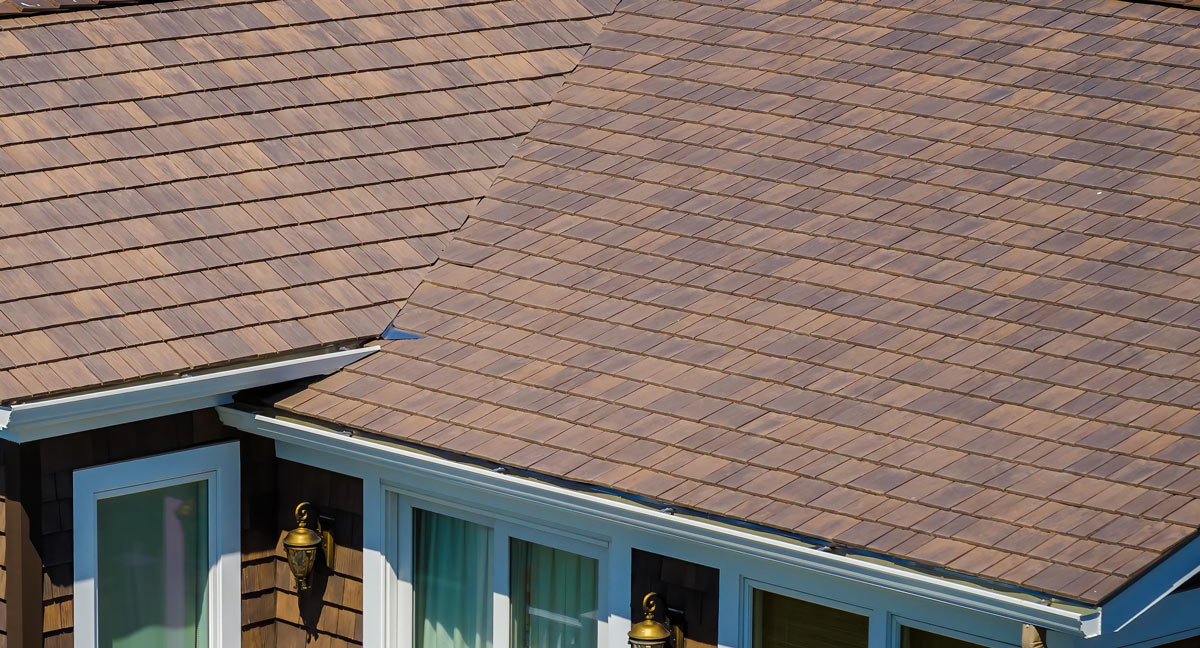
Composite Roofing
Composite roofing offers an excellent aesthetic; it can mimic the look of natural slate, cedar shake, or other materials minus the fragility and maintenance. Manufactured from engineered materials designed to resist UV degradation, impact, algae, and insect damage, these systems can offer impressive longevity. However, you should look at the particular product’s warranty to get an idea of what the manufacturer expects since not all composite roofing is equal. A good example is DaVinci Slate or Shake composite roofing. Mark Pagel, General Manager for DaVinci Roofscapes said their roofing has a Lifetime Limited Material Warranty, and this roofing can last 50 years or longer.
This option is especially popular with barndominium owners who want their home to reflect a refined or historic look without sacrificing performance. With high ratings for wind and fire resistance, and the ability to withstand intense hail, composite roofing is a strong contender in regions prone to extreme weather.
Composite roofing has a higher upfront cost than asphalt shingles but its added longevity and durability can provide a better return on investment over time. Fastener selection is important here to ensure the lifespan of the roof system — stainless steel or hot-dipped galvanized nails are typically recommended, especially in high-wind zones or where moisture exposure is a concern.
Stone-Coated Steel Roofing
For homeowners looking to blend strength with traditional charm, stone-coated steel brings the best of both worlds. Its surface mimics the appearance of shingles, shake, or tile while providing the strength of metal underneath. The stone coating also provides friction helping to avoid the avalanche potential on sleeker roofs, and the roofing’s modular (panel/shingle) design reduces the potential for oil canning and gives the roof a more textured, residential aesthetic.
Stone-coated steel performs well under extreme conditions, with high ratings for impact resistance, wind uplift, and fire safety. For example, Unified Steel Stone Coated Roofing can withstand Hurricane Category 5 type winds. This type of roofing can be a very long-lasting solution; Eric Miller, Vice President of sales for Westlake Royal Roofing and Stone Solutions added that Unified Steel comes with a 50-year limited warranty.
It’s also lightweight, making it suitable for both new builds and retrofits. Many systems include integrated energy-saving features such as reflective coatings or ventilated underlays to help reduce heating and cooling loads.
The higher upfront cost than asphalt may give some pause, but the blend of beauty, strength, and potential savings often proves its worth over time.
Standing Seam Metal Roofing
Often viewed as the premium standard for barndo builds, standing seam metal roofing delivers longevity, weather resistance, and a clean, architectural look. Its hallmark feature — concealed fasteners — minimizes the chance of leaks or corrosion over time. Metal roofing is generally weather resistant, and the raised (or standing) seams provide an added line of defense against wind-driven rain and snow. In regions with high wind or storm exposure, this can be a critical advantage. Check with your home insurance agent to find out if you can qualify for a discount.
Many homeowners are drawn to standing seam roofing’s long life. Mike Weis, Vice President of Sales for Drexel Metals said a standing seam roof has an expected service life of 40-60 years which can be two to three times that of traditional asphalt shingles.
Maintenance is low, usually limited to occasional inspections and debris removal, making it ideal for those seeking durability without frequent upkeep.
Some aesthetic waviness, known as oil canning, can occur — especially in thinner panels or reflective finishes. However, this can be minimized by choosing heavier-gauge panels and low-gloss coatings.
Final Thoughts
Many of the questions people ask when choosing a roofing material depend on the specific products you are considering. For example, will the standing seam roofing or metal shingles cost more? It will depend on the grade and thickness of the panels, how long they take to install, and other factors.
No single roofing system is right for every barndominium. Your location, budget, maintenance preferences, and architectural tastes all factor into the equation. Whether you’re prioritizing strength, style, energy efficiency, or longevity, today’s roofing options make it possible to choose a system that aligns with both your lifestyle and climactic demands.