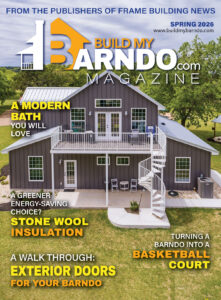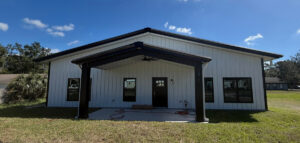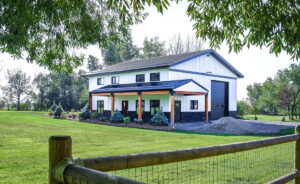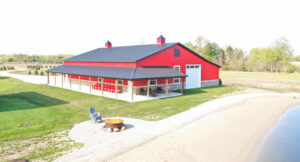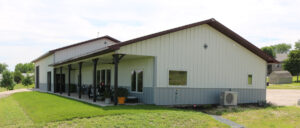
When people begin planning a barndominium, insulation quickly becomes part of the conversation. The right insulation helps keep a home comfortable, reduces heating and cooling costs, and protects the structure over the long term. For homeowners researching barndominium insulation or insulation for metal buildings, one material that is getting increased attention is stone wool.
Fiberglass batts still dominate the market because they are inexpensive and widely available. Stone wool insulation, however, has started appearing more often in higher-end metal-clad homes and barndominiums. That doesn’t mean one material is automatically better than the other. Each has strengths, and the right choice often depends on your budget, climate, and how your wall system is designed. Understanding how the materials compare can help homeowners make more informed decisions.
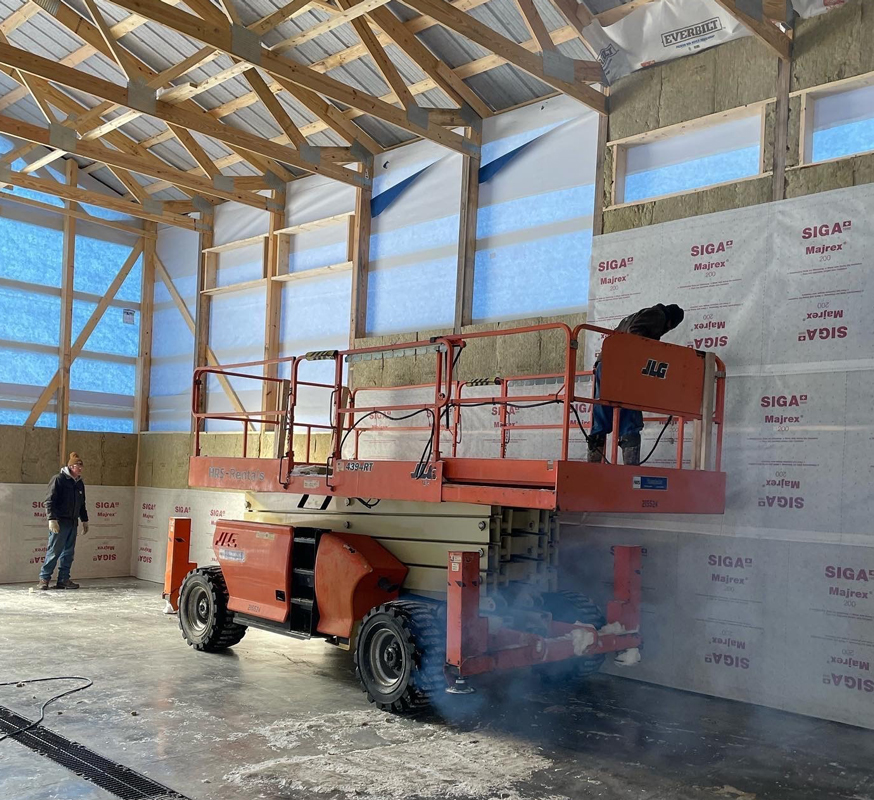
In most barndominiums, insulation is installed inside framed walls behind steel siding. Those assemblies behave a little differently than traditional house walls because metal siding can conduct heat and sometimes allow small amounts of moisture behind the cladding. That’s why builders often pay close attention to insulation choices in metal-clad homes.
Thermal Performance
Insulation helps maintain the indoor temperature you want, regardless of outdoor conditions.
Stone wool insulation works by trapping air among its fibers. That trapped air slows the transfer of heat between the inside and outside of the building. The result is a more comfortable indoor environment and reduced energy use, which lowers heating and cooling costs. Because stone wool is highly durable, its thermal performance remains stable over time. Unlike some insulation materials, it does not degrade or settle, so its ability to resist heat flow stays consistent.
Growing Use in Metal-Clad Homes
Fiberglass remains the most common insulation used in residential construction, including barndominiums. It performs well when installed correctly and offers an affordable way to fill wall cavities. Builders working on higher-end metal-clad homes, however, are increasingly exploring stone wool for several practical reasons.
The first is fire resistance. Stone wool is made from volcanic rock and is naturally noncombustible. It can withstand temperatures above 2,000°F without burning, which can be appealing in areas where wildfire risk or insurance concerns are increasing.
Second is moisture behavior. Metal siding systems can occasionally allow small amounts of moisture behind the exterior cladding. Stone wool is hydrophobic and vapor permeable, meaning it repels liquid water while allowing vapor to pass through. This helps wall assemblies dry rather than trapping moisture.
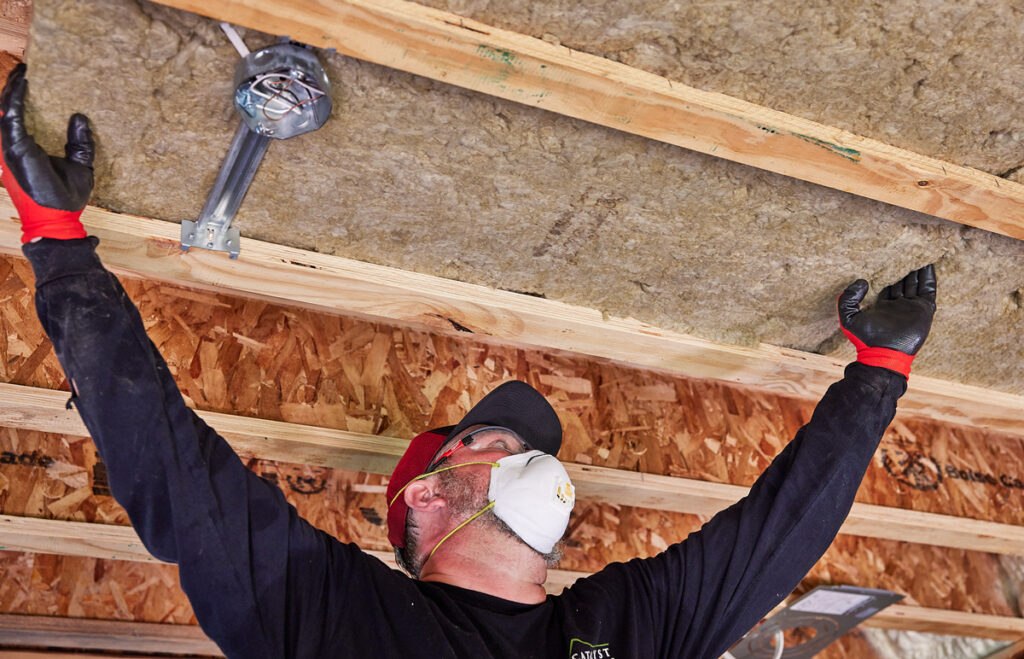
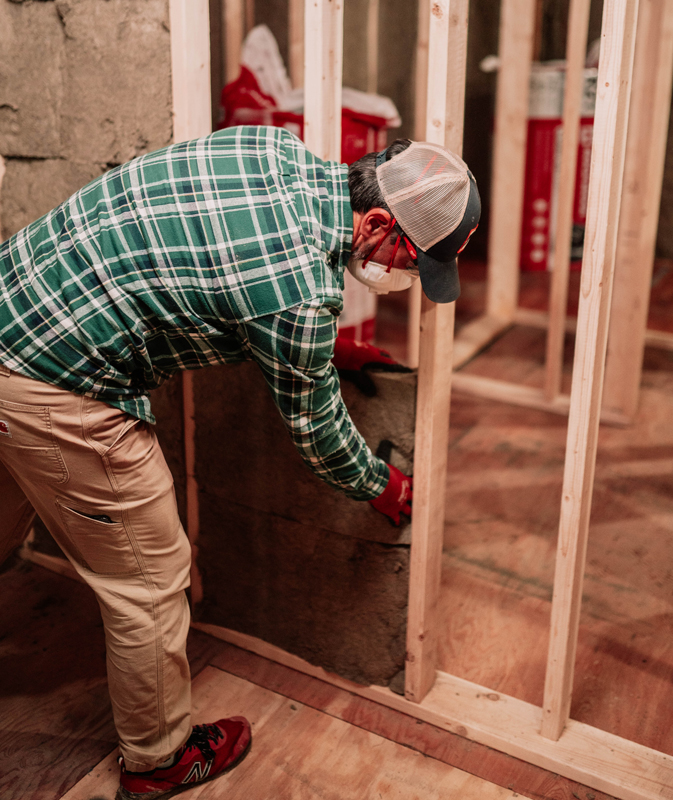
Third is dimensional stability. Stone wool batts are dense and semi-rigid, helping them stay in place inside wall cavities and maintain a tight fit around framing.
Finally, there is sound control. Metal-clad homes can sometimes transmit outside noise more easily than traditional construction. Stone wool’s density helps absorb sound, which can make interior spaces noticeably quieter.
Fiberglass remains dominant because it is less expensive, but some builders feel the additional durability and performance of stone wool make it worth considering for certain projects.
Durability
A home plays an important role in our lives, so it makes sense to build it with materials designed to last. Durable materials help preserve buildings for future generations while reducing the need for repairs and renovations. Fewer replacements also mean less resource consumption and less waste over the life of the building.
Stone wool insulation is made from volcanic rock and is remarkably durable. It is noncombustible, moisture repellent, and able to maintain its thermal and acoustic performance over time. Testing of stone wool insulation recovered from older buildings has shown that the material maintained its performance after at least 65 years; researchers believe it can last even longer.
Because stone wool is moisture repellent and does not absorb water from the surrounding environment, it helps protect building materials from mold, mildew, rot, and corrosion.
Sustainability
Many homeowners today are also considering the environmental impact of the materials used in their homes. Stone wool insulation has several characteristics that appeal to builders focused on sustainability.
First, it is made primarily from natural volcanic rock, an abundant, naturally occurring material, and may contain recycled materials, internally recycled stone wool, and low iron steel slag (a byproduct of the steel industry)
Second, it is extremely durable. Because stone wool insulation can last for decades without losing performance, it typically does not need to be replaced during the life of the building. That longevity reduces landfill waste.
Another environmental benefit comes from long-term energy savings. Effective insulation reduces heating and cooling demand for decades, lowering a building’s overall carbon footprint.
While all insulation improves energy efficiency, some alternatives—especially foam-based insulation—are made from petroleum-derived plastics and may have higher embodied carbon during manufacturing than stone wool.
While there are many reasons to choose stone wool, it should be noted that the manufacturing process of the volcanic rock requires high quantities of energy. However, for homeowners who want to balance performance with environmental considerations, stone wool can offer a compelling combination of durability, fire resilience, and long-term energy savings.
Acoustic Performance
Acoustics play an important role in the comfort and usability of indoor spaces. Stone wool’s fibrous structure creates tiny air pockets that trap and absorb sound waves helping to reduce noise within rooms and limiting sound transmission between spaces. That can make a difference for families who want quieter living spaces. This can be particularly helpful in barndominiums because large open interiors and metal exteriors sometimes allow more sound transmission than traditional framed homes.
Design Flexibility
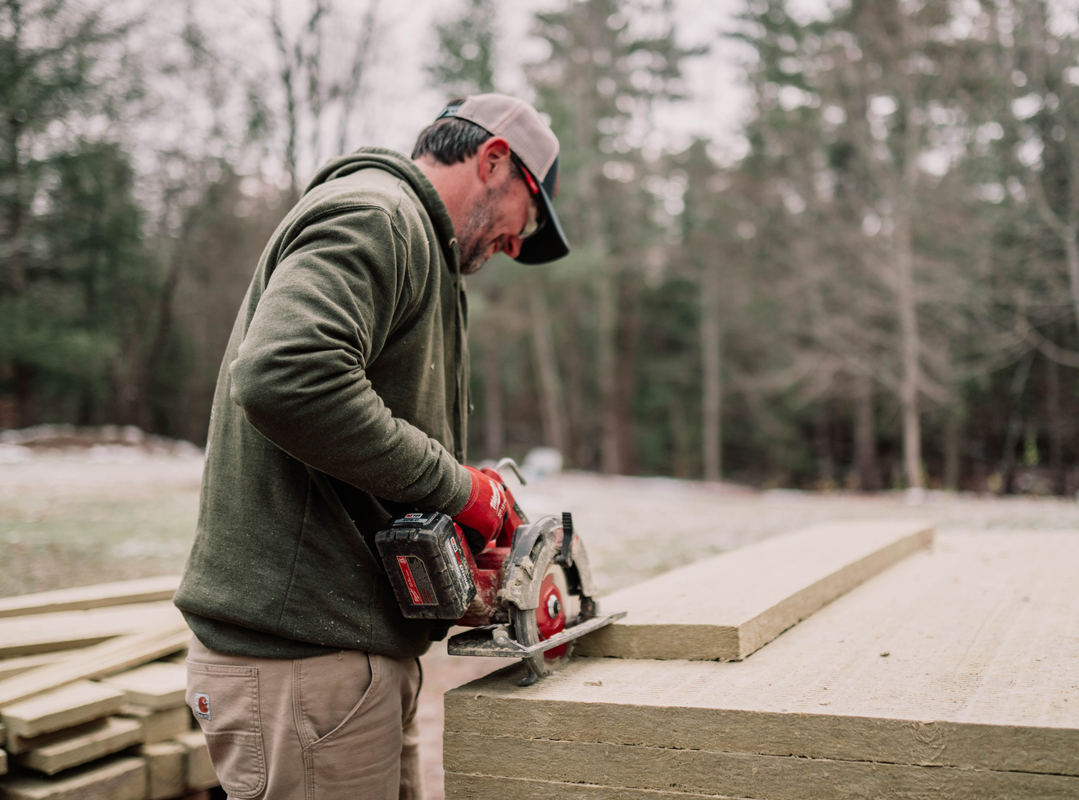
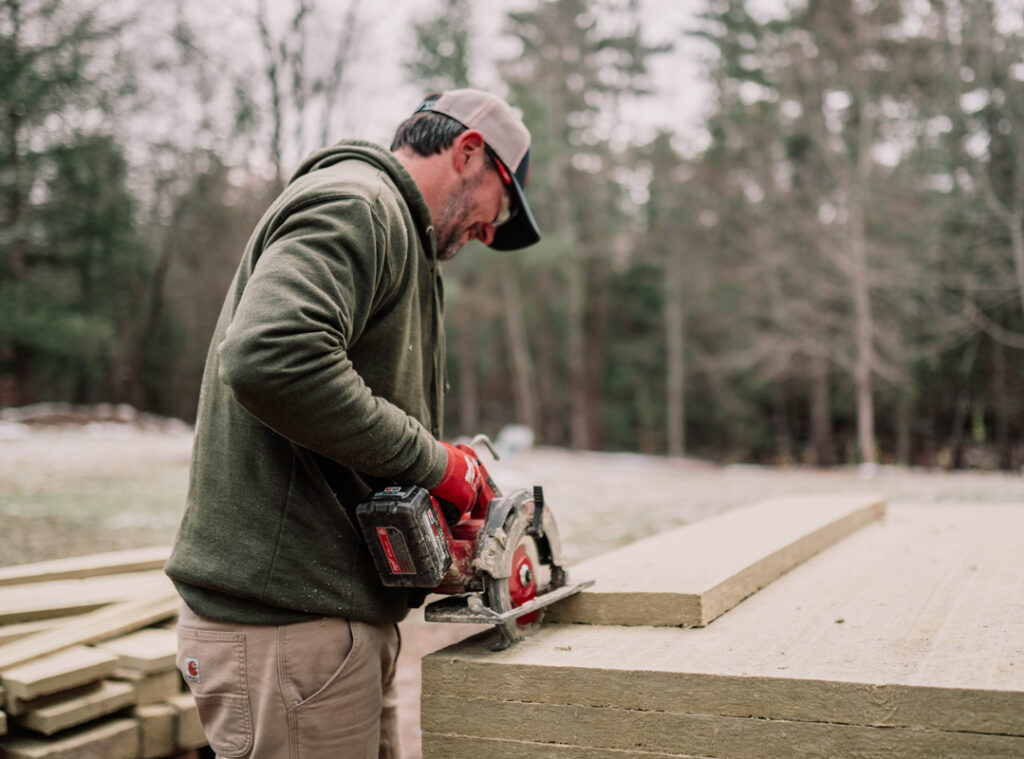
Stone wool insulation is available in several forms, including batts and boards. Depending on the application, it can be soft and flexible or dense and rigid. Builders can easily cut and shape the material to fit framing cavities or accommodate complex architectural details. This flexibility allows architects and builders to tailor insulation solutions to the specific needs of a building without sacrificing performance.
Moisture Management
Moisture appears in nearly every building assembly at some point. The key is ensuring it does not accumulate or remain trapped. If moisture builds up in wall or roof assemblies, it can damage materials, weaken structural components, and reduce indoor air quality.
Stone wool insulation is engineered to repel liquid water while remaining vapor permeable, which promotes an assembly that allows vapor to escape, without trapping moisture.. Together, these characteristics help wall assemblies stay dry and reduce the risk of mold, mildew, and rot.
Stone Wool or Fiberglass in a Barndominium Wall
In most barndominiums, insulation is installed inside framed wall cavities behind steel siding. Fiberglass batts remain the most common choice because they are inexpensive and easy to install.
Fiberglass works well when installed correctly and when the wall assembly includes proper air sealing and a weather barrier behind the metal siding. However, fiberglass is lightweight and flexible, so gaps or compression during installation can reduce its real-world performance.
Stone wool batts are denser and semi-rigid. This allows them to fit tightly within framing cavities and maintain their shape over time, helping preserve the insulation’s full thermal performance.
Moisture performance is another difference. Fiberglass does not absorb water, but it can trap moisture between fibers if the wall assembly becomes wet. Stone wool repels water and allows vapor to pass through, which can help wall systems dry more easily.
Both materials provide good thermal performance but bring different strengths to the assembly. Fiberglass is typically the most economical option, while stone wool offers added durability, fire resistance, and sound absorption.
Choosing Insulation for a Barndominium
When selecting insulation for a barndominium, several factors come into play, including budget, climate, and wall design. For many projects, fiberglass provides a practical solution. For others—especially higher-end homes and barndos in challenging climates—stone wool offers advantages that justify the additional cost. The best approach is often to discuss insulation choices with your builder or designer, so the wall assembly, air barrier, and insulation system all work together.
Notes for Do-It-Yourselfers
As with any insulation, make sure you consult the manufacturer’s instructions. You may find specific requirements depending on the project. For example, wall batt insulation should not come into contact with metal; a water resistive barrier will likely be called for. There may also be differences depending on climate, interior and exterior walls, and other factors. If instructions are not correctly followed, there is no guarantee that the product will perform as expected.
If you have any doubts, contact the supplier or manufacturer.
Long-Term Building Performance
Builders today are paying closer attention to how materials perform decades into the future. Durability, resilience, and long-term performance are becoming more important as energy codes evolve and homeowners expect buildings to last longer.
Stone wool insulation reflects that philosophy. Because it resists moisture, fire, and physical degradation, it can maintain its performance for many decades. For barndominium owners, that can translate into a home that remains comfortable, efficient, and structurally sound long after construction is complete.
Resources: ROCKWOOL North America • www.rockwool.com/north-america/